

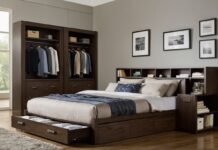


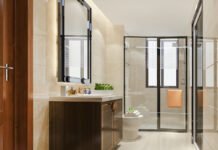







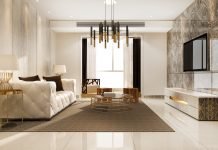


Since executives spend so much time in their offices, it’s no wonder their offices often resemble apartments, equipped with comfortable couches, mini-fridges filled with beverages and snacks, fancy coffee makers and the like, writes Oliver ODHIAMBO.
Designing an office fit for an executive takes thoughtful planning and incorporates details that appeal to the professional side of a busy executive who uses his office for important business meetings, as well as the practical side of the executive who uses his office as a place to retreat and catch up on email after a long day
When it is time to decorate an executive office, it can be easy to get carried away with impressive furniture and artwork. An executive office, however, needs to be professional, yet simple. Keep these steps in mind as you plan the perfect executive design.
Design functionality
The design for an executive office should be welcoming, but also be practical for what it is going to be used for. For example, a couch is a nice thing to have, but only if the executive really has a need for it. You don’t want to take up room with fancy furniture and other items that aren’t really necessary to have in the office — even if they look nice.
Take into account the taste of the executive. If the executive has traditional taste, don’t give him or her a contemporary office. No matter what the design of the other offices in the company, the executive should have a space where he or she feels comfortable and where production is the most important thing, not the style of the office.
The executive will be the one spending the most time in the room, so it should reflect at least some of who he or she is.
- 1. Choosing colour scheme
Interior designers give an advisory that you should select a colour scheme that is both professional and appealing. Opt for colours that reinforce the branding of your business. Draw from your business cards and marketing materials and pick complimentary colors. Pick stimulating colors like orange, yellow and spots of red to motivate your employees.
Executives will likely be meeting with many types of people in their offices. The color scheme should be something that is warm and welcoming to anyone. Nice, warm neutral tones are a good choice to give the office some color, but aren’t overwhelming. A neutral color palette is also very easy to match when it comes to furniture, carpeting and decorations.
Select a neutral paint color for the walls and select neutral carpeting to cover the floors. Invest in a high-quality plush carpet and have it treated to prevent staining. If the office has hardwood floors, have them buffed and cleaned. Paint the walls and lay the carpet before moving the furniture into the space.
2. Furniture and equipment
Measure the office and make a space plan for furniture and equipment. Don’t crowd the office and reduce walking space. You should be able to move from one area to the next without getting caught in wires or bumping into over-sized furniture. Essential furniture for an executive office includes a desk, a comfortable chair for theexecutive and chairs for guests.
Pick ergonomically designed furniture to ensure comfort and proper support. Purchase a work table, filing cabinets and book cases. If space permits, you may also consider a couch, minifridge or an additional table as an extra work area. The floor plan should help with space planning by detailing where each item will go.
3. Wall hangings and decor
Select wall decor based on the executive’s preferences. If he or she has a favorite artist, opt for reprints of the artist’s work or originals, if they’re available. Framed motivational quotes, may also be placed on the walls. The pictures should complement the colour scheme, have sturdy frames and be appropriate for the work setting.
Honors, awards and diplomas can go on surface areas as well as the walls. It is beneficial to the executive design process to check with the executive about what types of things he or she has to display so you can allot the appropriate space for them.
4. Accessorizing Accessorize the executive
office with area rugs, a chrome trash can, a coffee mug, fresh, unscented flowers or plants and desk items like a name plate, business card holder and a file tray. Choose a desk lamp and floor lamps to provide adequate lighting. Use eco-friendly lights to cut down on your electric bill. Select throw pillows to decorate the couch. Hang sturdy, professional blinds at the windows.
5. Determining storage
Determine how much storage is needed. Add shelves to the walls, if necessary. Don’t forget to leave enough space for filing cabinets and bookcases to allow the executive plenty of space to stay organized. It is easy to get wrapped up in the aesthetics of the office, but it is important to remember that someone needs to work in this space. Again, consulting the executive about the type of organizational system he or she prefers will save time.
6. What you need
Things you will need include:
1. 3 chairs, a desk and 1 large work table
2. Bookcase and filing cabinet
3. Mini-fridge (optional)
5. 3 pieces of wall art
6. Framed diplomas and certificates
7. 1 desk lamp and 1 or 2 floor lamps
8. Fresh plants or flowers and an area rug
9. Business card holder and a file tray
10. Nameplate and family pictures
11. Computer (laptop) and printer

